You are in POSB Personal Banking
ATM & Branch
Help & Support
Accounts
Cards
Insure
Loans
Invest
Digital Banking
digiWealth
ATM & Branch
Accounts
Cards
Insure
Loans
Invest
Digital Banking
digiWealth
This Search function on our website will help you to find the information that you need easily
This Search function on our website will help you to find the information that you need easily
This Search function on our website will help you to find the information that you need easily
This Search function on our website will help you to find the information that you need easily
This Search function on our website will help you to find the information that you need easily
This Search function on our website will help you to find the information that you need easily
Login
Investments
Grow your wealth with DBS Vickers
Access the US market with zero fees on US Fractional Shares, starting from US$5.
Learn more
Other Investments
Retirement digiPortfolio
Invest for your golden years starting from S$1,000, recurring top-ups from $100
Learn more
Investments
Trending Stocks & Price Targets
Get trading ideas, market insights and price targets through the mTrading app!
Try out now
Equities
DBS Vickers Young Investor Account
Trading account specially designed for young investors aged 18 to 25 years old.
Learn More
Other Investments
POSB Electronic Securities Application
Convenient access to apply for equity, bond offerings and rights issuance
Learn more
Investments
Why Invest with POSB
Our Funds Selection Team conducts rigorous research to offer you insights and ex
Learn more
Featured
Unit Trusts
Equities
Foreign Currencies
Fixed Income
Other Investments
Promotions
Investments
Unit trusts, equities, and other ways to grow your money
Get advice from wherever you are with POSB TeleAdvisory
Learn about Unit Trusts
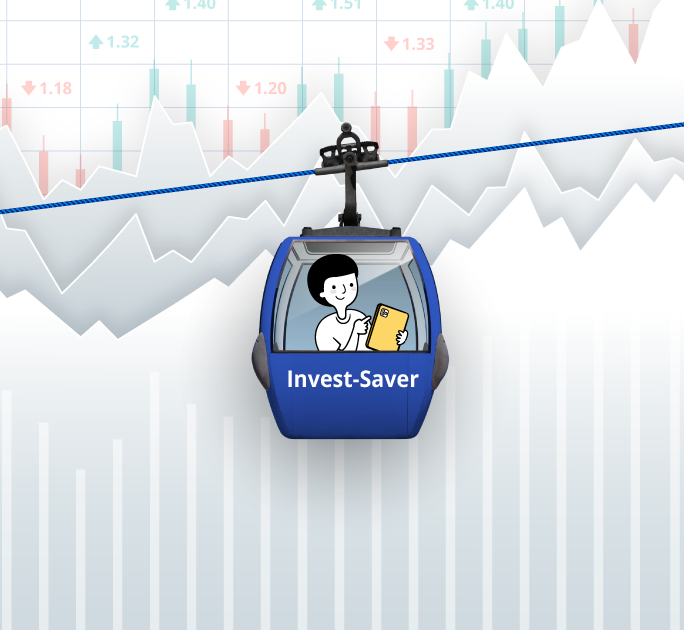
Ride the market steadily with Invest-Saver
DBS Vickers Online Account
A Singaporean’s guide to buying stocks
Unlock the world with DBS FX Services
Financial goal calculator
Monthly investment calculator
Investment Help & Support
Useful Links
POSB Investment Disclaimer
Types of Investments by MoneySense
Investing in Specified Investment Products by MoneySense
Investment Solution Partners / Product Providers
Terms & Conditions Governing Accounts
Terms & Conditions Governing Electronic Services
Terms & Conditions Governing Investment in Funds
Best Execution Policy
Others
Rates & Tools
Security & You
Scheduled Maintenance
Lasting Power of Attorney
Sitemap
Need Help?
Help & Support Portal
Phone -
1800 339 6666
Get In Touch with Us
Markets
Singapore
Hong Kong
India
Indonesia
Mainland China
Taiwan
Singapore
Terms & Conditions
Privacy Policy
Fair Dealing Commitment
Vulnerability Disclosure Policy
©2026 DBS Bank Ltd
Co. Reg. No. 196800306E